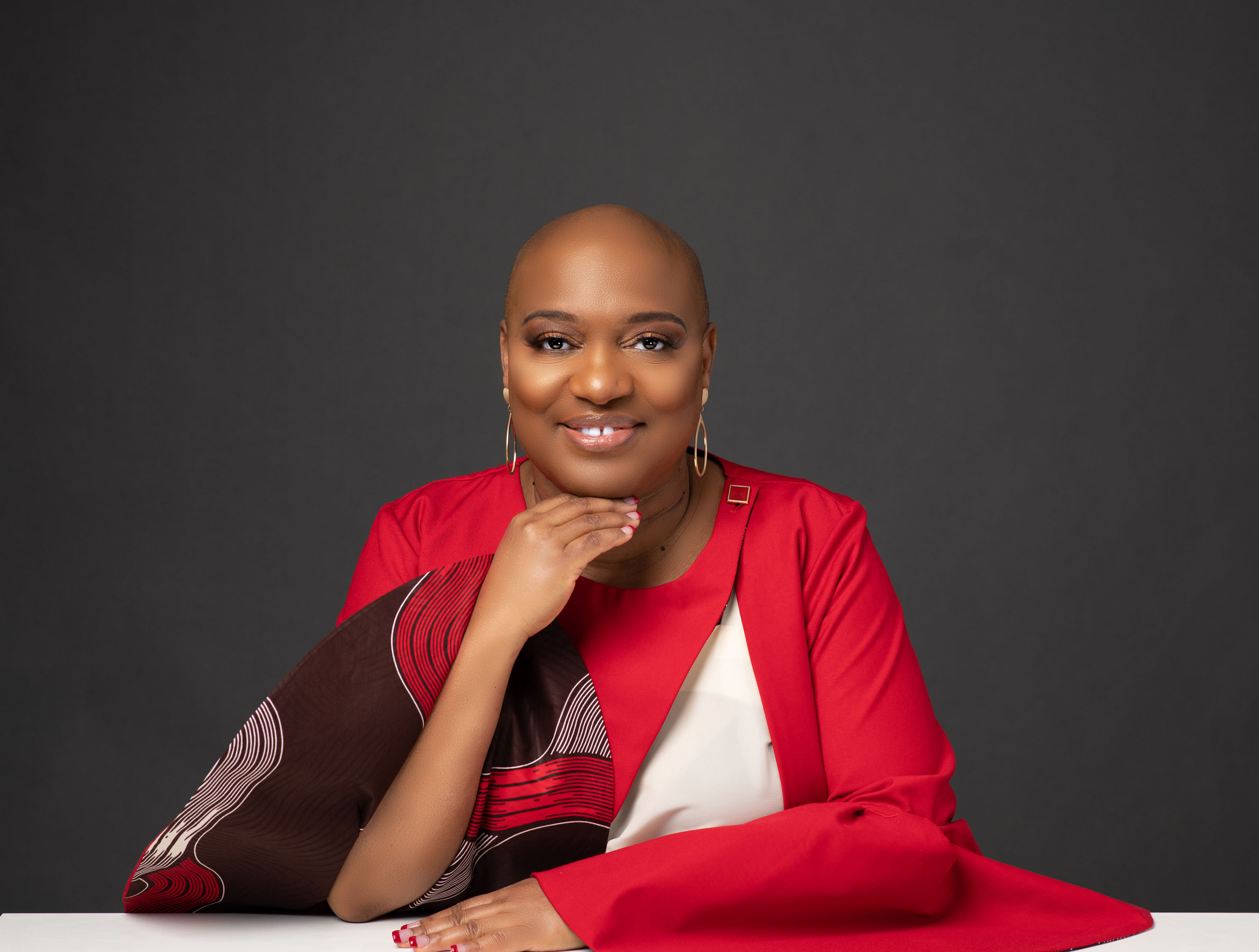
She does not walk into a room and deliver a presentation. She changes the way people think before they leave it.
Enid-Mai Jones does not walk into a room and deliver a presentation. She changes the way people think before they leave it.
She knows what it means to stand fully in yourself. She has walked that path in more rooms than most — and come out owning her space. That is what makes her compelling on stage. She does not speak from a safe distance. She speaks from the work.
Enid-Mai has spent her career in mission-driven spaces — associations, nonprofits, institutions built around purpose. She has led through crisis, built where nothing existed, and made decisions that required her to be steady when the room was anything but. She has also learned the hard way what happens when a leader is penalized for the very qualities called upon in a crisis. She does not speak about that with bitterness. She speaks about it with clarity. That clarity is her gift to an audience.
When Enid-Mai takes the stage, she brings the full arc. Her keynotes are for leaders navigating real conditions — change that does not slow down, people watching to see whether leadership is real or performative, and the persistent tension between who you are and what the room expects you to be. She does not offer easy answers. She offers honest ones, with a path forward.
She speaks for the woman who has done everything right and still had to fight to be seen. The one who was told she was too much in ordinary times and not enough when it counted. The one who has had to rebuild her sense of self in the middle of a career, a transition, or a life that no longer fits. Enid-Mai does not speak about that woman from the outside. She is that woman, and she has learned to lead from that place.
"Enid-Mai Jones speaks so that people leave knowing something they did not know when they sat down — about leadership, about themselves, and about what becomes possible when you stop apologizing for who you are."
From Monrovia to the main stage — the life behind the work.
Enid-Mai Jones was born in Monrovia, Liberia, the last of five children, with deep roots in Liberian law, government, and civic life. She grew up with high expectations and even higher ambitions — and at sixteen, she acted on both. She applied to the AFS-USA International Exchange Program, was accepted, and spent a year with a host family in Woodland, Washington — her first experience of life beyond everything she had known. She returned home and enrolled at the University of Liberia, but growing civil unrest made it clear that staying was not an option. She continued her education in the United States, was accepted to the University of Kansas, and earned both her bachelor's degree and her first master's degree there. Then the ground shifted again. The Liberian Civil War broke out in 1990, cutting her off from her family and her homeland overnight. Displaced and without work experience, she took the only job available: a night shift on a production line at a plastics factory in Kansas. She could not keep up with the machines. She did not quit. Over time, she earned a spot as a printer — because her hands were small enough to calibrate the plates with a precision no one else could match. That season taught her something no degree had: that reinvention is not a metaphor. It is work, and it is where you find out what you are actually made of.
She eventually earned her second master's degree and made her way into association management — a field where she spent more than two decades building education programs, growing revenue, and leading organizations through change. She went from program director to senior vice president, consistently delivering results that outlasted her roles. When she recognized that the impact she was capable of required the freedom to act on her own terms, she made the move from employee to entrepreneur — founding EMJ Consulting and her personal brand, Being Her, and stepping fully into the work she was built to do.
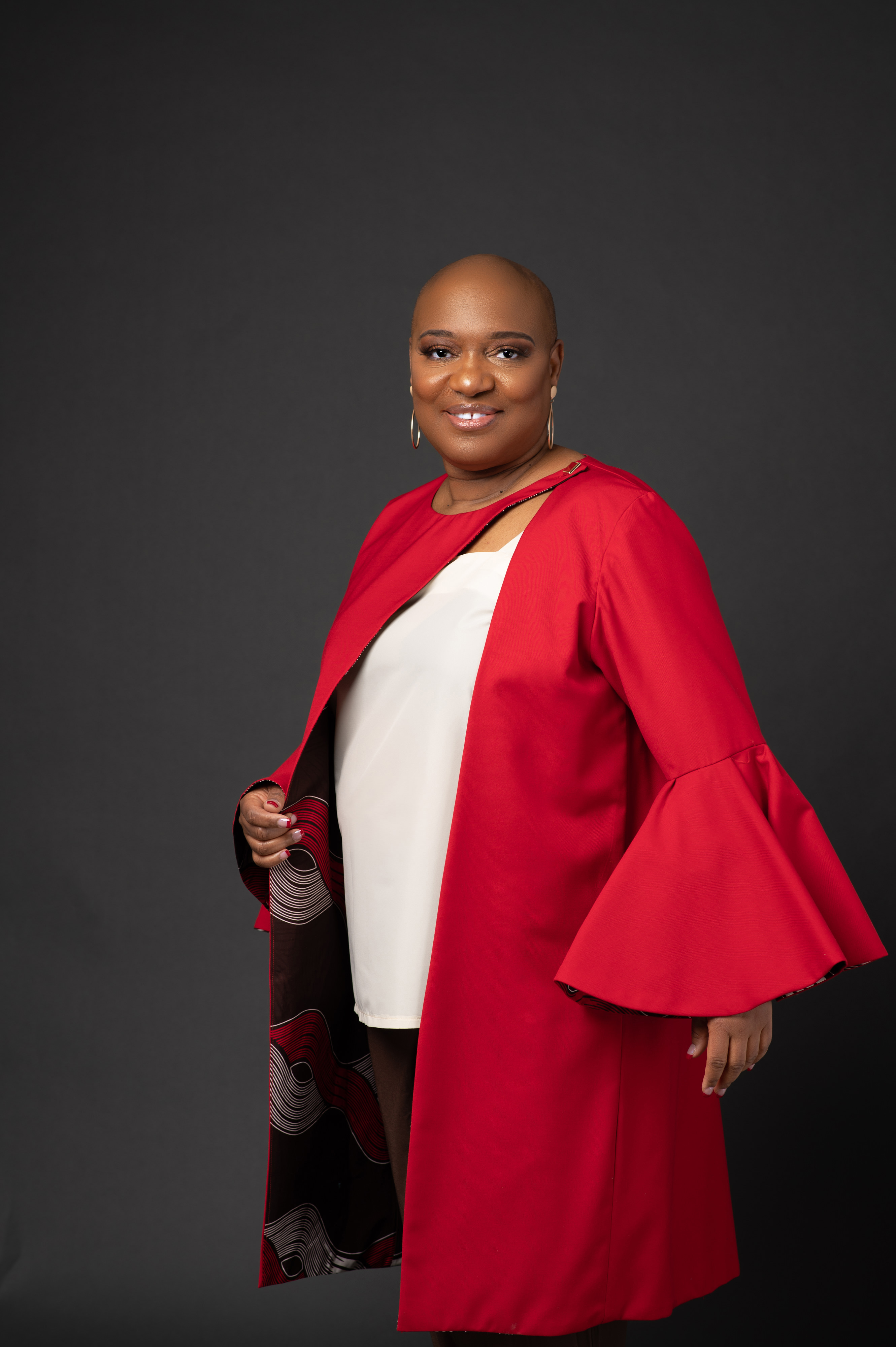
Two decades of leadership. Multiple advanced degrees. And a set of professional credentials that reflect a career built at the intersection of people, strategy, and change.
A Master's degree in Education Administration and Policy prepares professionals to lead and shape educational institutions through effective management, leadership, and policy development. The program focuses on areas such as organizational leadership, educational law, strategic planning, and equity in education. Graduates are equipped to take on roles in school administration, government agencies, or policy organizations that influence educational systems and reform.
A Master's degree in Communication Studies with a focus on Relationships and Social Interaction explores how people create, maintain, and navigate personal and professional relationships through communication. The program examines topics such as interpersonal dynamics, conflict resolution, nonverbal communication, and cultural influences on interaction. Graduates gain advanced skills in analyzing and improving communication patterns, preparing them for careers in education, counseling, human resources, or organizational leadership.
Professional credential awarded by the American Society of Association Executives (ASAE) that recognizes individuals with expertise in managing nonprofit organizations and associations. To earn the CAE, candidates must meet stringent eligibility requirements, pass a comprehensive exam covering association management, and adhere to a code of ethics. The designation signifies a high level of commitment and knowledge in the field, helping individuals advance their careers and organizations achieve professional excellence.
A professional trained to assess, design, and implement artificial intelligence strategies that align with an organization's goals and ethical standards. Certified AI Consultants help organizations leverage AI technologies effectively while ensuring responsible use, data integrity, and measurable outcomes.
A Certified Association AI Professional (AAiP) is a credentialed expert specializing in applying artificial intelligence within associations and nonprofit organizations. They focus on using AI tools to enhance member engagement, streamline operations, and support data-driven decision-making while upholding ethical and responsible AI practices.
Enid-Mai speaks for associations, nonprofits, corporations, and leadership summits. Every engagement is built around what your people actually need — not a polished performance, but a real conversation that moves something.