My father told me something I never forgot. He said we should never make ourselves smaller just to make someone else comfortable. When someone asks you to be humble, it is not for your benefit — it is for theirs. It is a way to make you feel less, so they can feel like enough.
This keynote gives leaders the language for something many of them have felt but never named. What passes for humility in most organizations is not virtue. It is control. It is the slow, quiet erosion of the people who have the most to offer.
Enid-Mai reframes the conversation: confidence and humility are not opposites. Real confidence means always being willing to learn. It means knowing the difference between genuine growth and making yourself smaller for someone else's comfort.
This talk is for leaders who have been told to hold back, tone down, and pull in. It gives them permission to stop — and a framework for leading from full capacity instead.
"Ideal for leadership conferences, association events, and organizations navigating culture change, DEI initiatives, or the retention of high-performing talent."
You were penalized for your strengths in ordinary times. Too intense. Too much. She needs to learn to manage her presence. And then the hard situation arrived — the crisis, the collapse, the moment when calm, clear judgment was the only thing that mattered — and they called on you.
That is not a compliment. That is a deal you never agreed to.
This keynote examines the real cost of conforming to what a room expects, and what it takes to reclaim your space without bitterness and without apology. Enid-Mai draws from her own experience of being hired to make change and let go for making it — and what she learned about power, purpose, and the organizations that depend on people they are not willing to protect.
This talk is for high performers who are exhausted from being managed. For leaders who have earned their seat and are tired of being asked to prove it. And for organizations serious about keeping the people who actually carry them through.
"Ideal for women's leadership conferences, diversity and inclusion events, HR and talent management audiences, and any organization serious about retention and belonging."
The intellectual backbone of every AI keynote and consulting engagement. Built from twenty years of operational leadership and tested against real organizational failures — not borrowed from academic literature. It gives audiences something they can execute before they leave the room.
Who decides how AI is used, who is accountable when it fails, and what authority structures ensure decisions align with organizational mission rather than vendor convenience. Without governance, AI is not strategy. It is a procurement decision dressed as transformation.
The organizational, staff, and data infrastructure required before any AI tool can function as intended. Readiness is not enthusiasm. Organizations that skip this step are not early adopters. They are future case studies.
The human accountability layer. Who owns the outcome when AI produces a flawed result? Who takes responsibility for the communities affected? Ownership is not a legal question. It is a leadership question, and it cannot be delegated to a vendor.
Inclusion is not a post-deployment audit. It is a design condition. The communities most likely to be affected by a flawed AI system are the communities least likely to be in the room when that system is designed. Inclusion shapes the solution from the beginning or it does not shape it at all.
The ongoing capacity to adapt. AI is not a destination. It is a shifting landscape. Navigation means building organizations with the structural agility to adjust when tools change, regulations evolve, and new risks emerge. Leaders who navigate well do not predict the future. They build organizations that can meet it.
AI systems are built from human decisions. They reflect the biases, the blind spots, and the organizational cultures of the people who designed them. The dynamics that cause organizations to dismiss strategic warning, misread expertise, and move forward without the people who understand both the technology and the mission are now encoded into every AI tool deployed in the sector.
The problem is not the algorithm. The problem is the human judgment behind the algorithm. And you cannot fix that with better code.
This keynote opens with a documented case: a $200,000 technology implementation failure that was predicted, recorded, and ignored. It then builds the argument that this pattern — of organizations optimizing for the tool while sidelining the people who understand the risk — is now being replicated at scale across every AI deployment in mission-driven organizations.
The talk closes with a direct challenge to every leader in the room. The future of AI in your organization depends not on the sophistication of your tools but on your willingness to hear the truth before the failure becomes a case study.
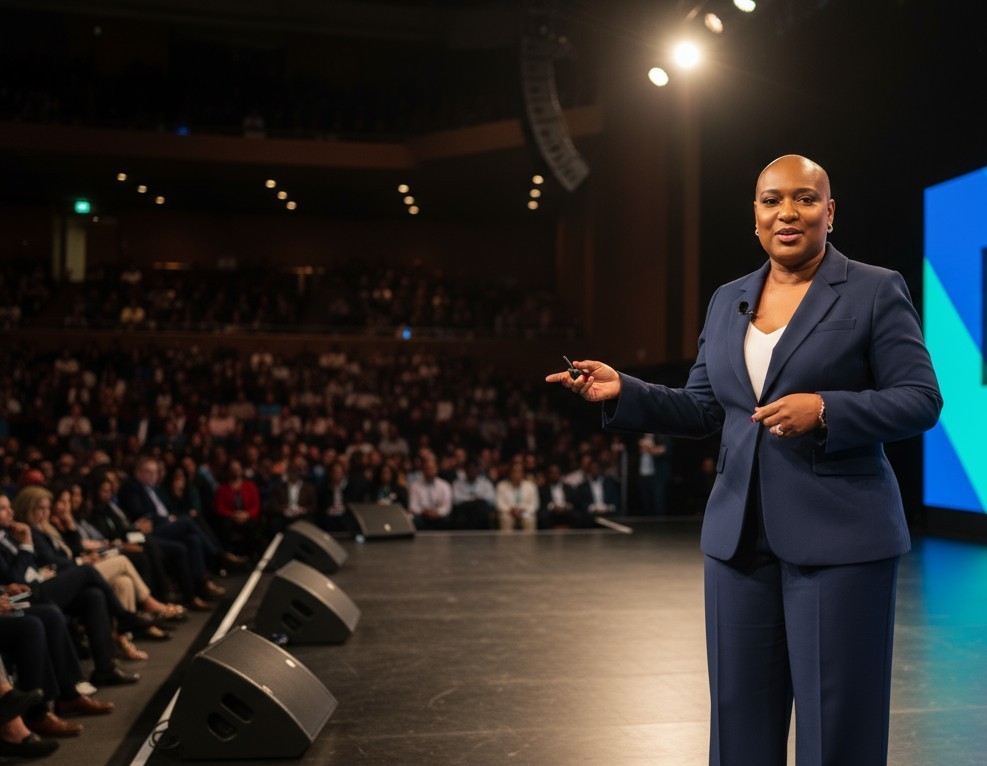
"Ideal for annual conference main stage, board governance retreats, C-suite audiences, and technology implementation teams in associations and nonprofit organizations."
Every organization deploying AI right now is solving a technology problem. Very few of them are solving the human problem it creates. When intelligent systems take over the transactional work, what remains is exclusively the work that requires human judgment, human relationship, and human values. That is not a consolation prize. It is the highest-stakes leadership opportunity in a generation.
This talk is built on twenty years of leading through sector-level disruption: legislative change, pandemic-era workforce collapse, financial pressure, and now AI-driven reorganization. The argument is that leaders who have built the capacity to hold strategic direction under pressure are the exact leaders the next decade requires.
The machine can process. It cannot choose. That choice belongs to the humans in the room — and this talk equips them to make it with clarity.
"Ideal for annual meetings, opening and closing plenaries, leadership summits, and association and nonprofit C-suite audiences."
Beyond the keynote, Enid-Mai offers focused workshop and breakout experiences that take the insight further. Hands-on, interactive, and built around the specific challenges your team is navigating right now.
Explore WorkshopsAvailable for keynotes, workshops, half-day engagements, and leadership summits. Each engagement is customized to your audience and your moment.